When people think about roof damage, they usually picture a dramatic winter storm: slipped tiles, fallen branches, a sudden leak over the landing. But in Essex, summer can be just as hard on a roof, just in quieter ways. Weeks of dry heat, strong UV exposure and the stop-start pattern of heavy showers can all shorten the life of materials that looked perfectly sound in spring.
This matters in the south of England, in places like Chelmsford for example, where housing stock is mixed and rooflines change from one street to the next. A 1930s semi will respond differently to hot weather than a newer estate property or a converted commercial building. Flat roofs can show surface wear, while older pitched roofs may expose small weaknesses around flashing, gutters or ridge lines when temperatures swing between hot afternoons and cooler nights.
For householders trying to understand local maintenance issues, browsing information on roofing Chelmsford can help, simply by showing the kinds of repair and inspection work commonly needed in the area. Small, missed issues often become expensive ones after a spell of extreme weather.
Signs worth paying attention to
- Warping or blistering on flat roof surfaces
- Fine cracks around seals, joints or flashing
- Blocked gutters after sudden downpours
- Damp patches in loft spaces after warm, humid days
The lesson is simple: roof care is less about waiting for a crisis and more about noticing patterns. A brief visual check from ground level, especially after a hot spell followed by rain, can tell you a lot. In a county where the weather rarely stays still for long, roofs do a great deal of silent work, and they usually give subtle warnings before they fail.
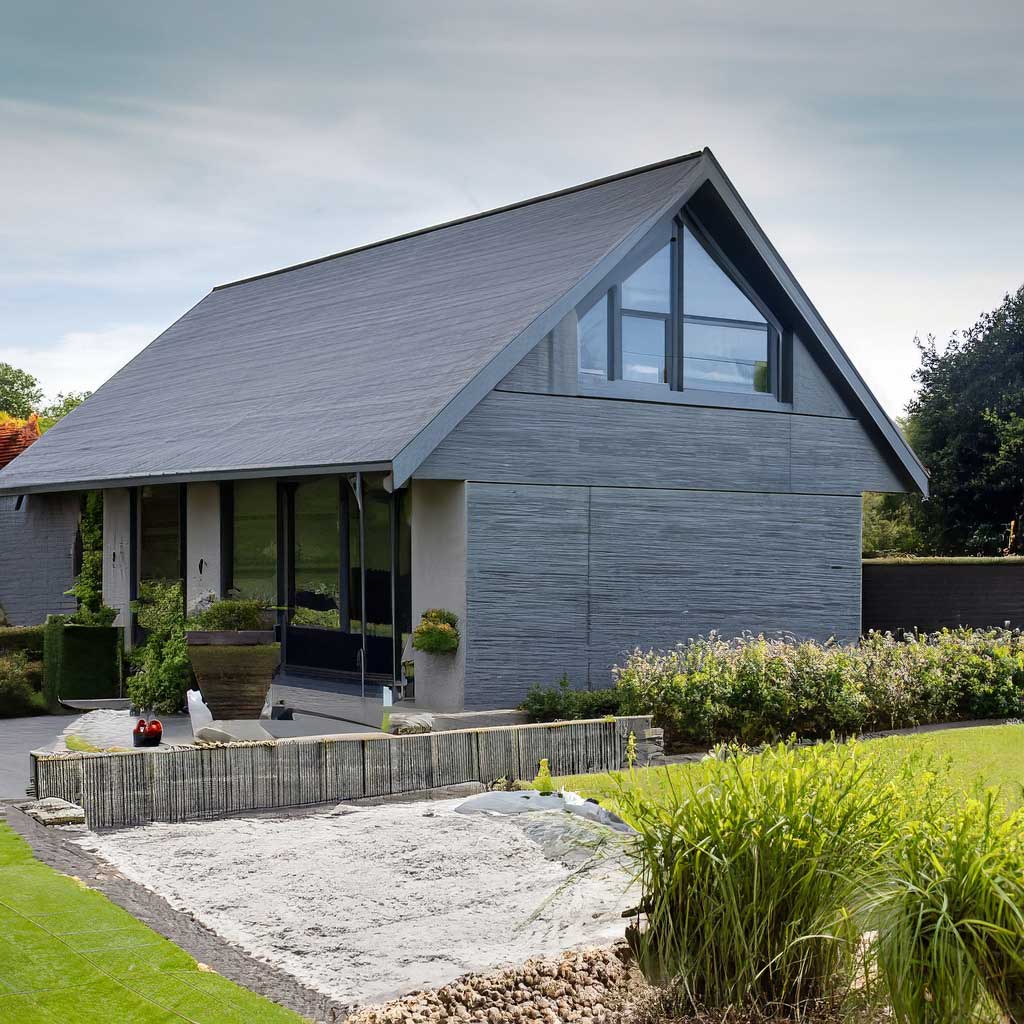
Featured image credit: AI generated.