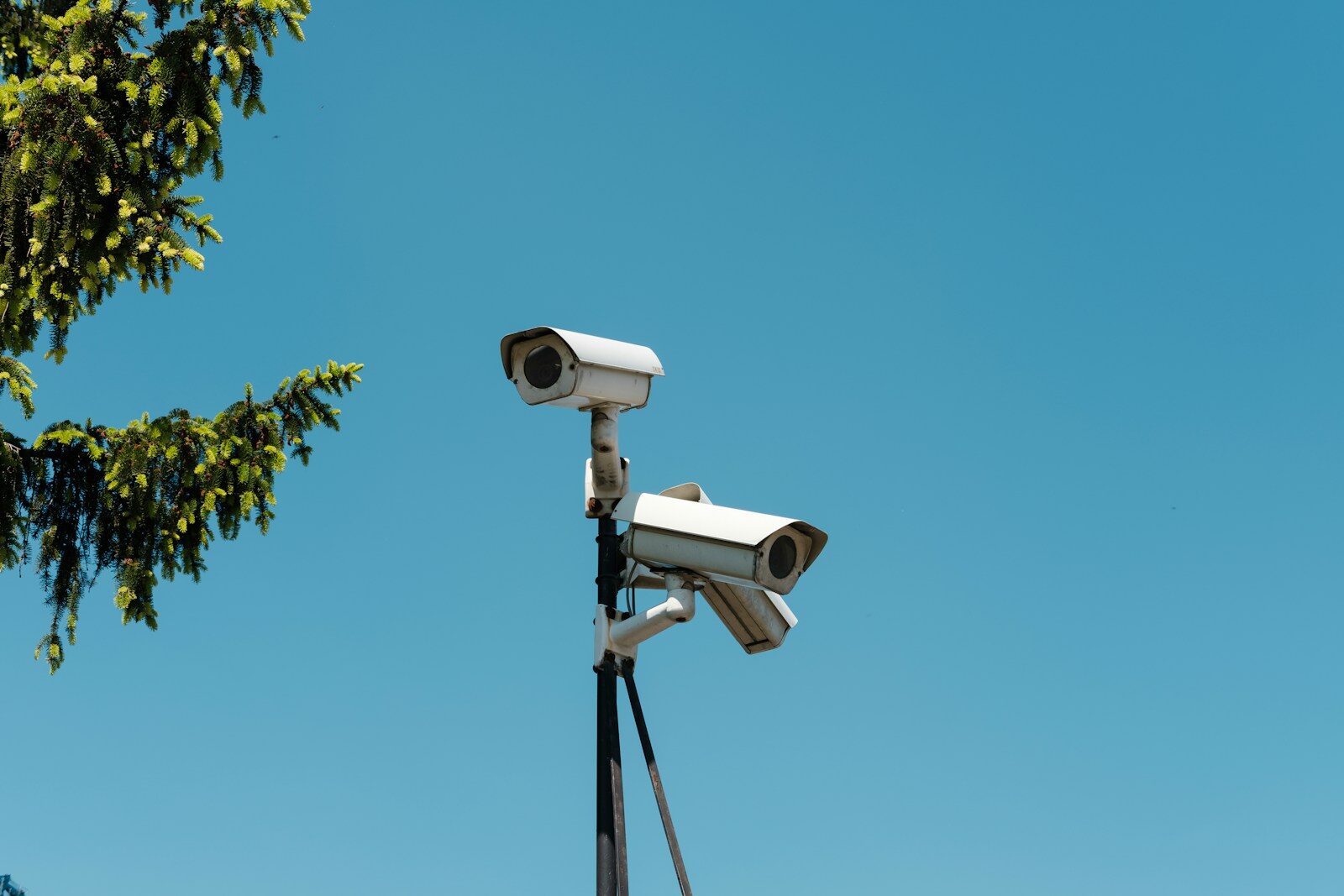
Walk through almost any town centre now and you’ll spot the same quiet fixtures overhead: small domes above shop doors, cameras fixed to warehouses, lenses watching over car parks after dark. They are easy to ignore, but they’ve become part of daily life, much like streetlights and shutters. What’s changed is not just the number of cameras, but what people expect them to do.
For many people, CCTV used to mean footage reviewed after something had already gone wrong. A broken window, a missing delivery, a dispute in a loading bay. Now the focus is shifting from record-keeping to response. That is why interest in CCTV monitoring has spread beyond obvious high-security settings into ordinary businesses, residential blocks and even temporary sites.
The appeal is simple. A camera that only records may help explain an incident later. A monitored system can prompt action while it is still unfolding. That difference matters in places where staff numbers are thin, premises sit empty overnight, or anti-social behaviour starts small before becoming expensive.
Why the discussion keeps coming back
Part of the reason this subject keeps returning is that it reaches beyond security. It raises practical questions about staffing, public reassurance and the way shared spaces are run.
- Shops want to protect stock without making customers feel watched.
- Residents want communal areas to feel safe, not hostile.
- Site managers want fewer false alarms and quicker decisions.
None of that makes cameras a cure-all, and there is still a real debate about privacy, transparency and sensible use. But it does explain why CCTV remains a live topic. It is no longer just about having footage. People now expect a different kind of oversight in the spaces they use every day.
Photo by Michał Jakubowski.